
Households, motorists, farmers and businesses across rural west Wales are set to benefit from changes announced in the UK Budget, although questions remain over how some measures will be delivered in Wales.
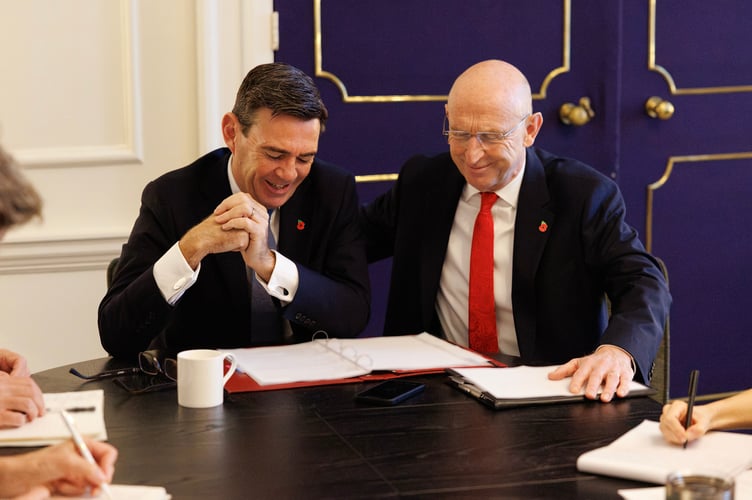
Chancellor John Healey has announced measures to ease energy and transport costs, raise minimum wages and provide additional funding for public services.
The Welsh Government will receive an additional £450 million for public services, meanwhile, the removal of import tariffs on heating oil and fertilisers could be particularly significant for rural communities.
But what will actually change for people living in west Wales?
Energy bills: Will Welsh households get £100?
One of the biggest announcements was a £100 Household Energy Payment for properties in council tax bands A to D in England. The payment is expected to support up to 20 million households in 2027. However, the scheme will not automatically operate in Wales.
The Treasury has confirmed that funding will be provided to the devolved governments to deliver similar support, meaning the Welsh Government will determine how the assistance is distributed.
Details of eligibility and how households across rural west Wales are yet to be announced
The Chancellor also extended the temporary removal of VAT from household electricity bills until 30 June 2027. The measure was introduced on 1 October and had previously been due to expire at the end of March.
Gas standing charges to be scrapped




The Government has announced plans to abolish standing charges on domestic gas bills from 2027, or as soon as possible afterwards.
Around 23 million households across the UK could be affected.
However, the change will not mean every household saves the full standing charge, currently averaging £108 annually. Instead, the costs will be transferred to the price charged per unit of gas consumed.
The Treasury estimates that 60 per cent of gas-account households could save an average of £45 annually.
Households using larger amounts of gas may not see the same benefit.
For Cambrian News readers, where many properties are not connected to the mains gas network, the change will likely have little impact.

Heating oil: Relief for rural homes
The removal of the 4 per cent import tariff on kerosene heating oil could be particularly important for rural Wales.
According to the Treasury, approximately 105,000 households across Wales rely on heating oil.
Many properties in rural Ceredigion, Powys and Gwynedd depend on oil rather than mains gas, leaving residents exposed to fluctuations in global fuel prices.
Removing the tariff could reduce import costs, although the amount passed on to customers will depend on suppliers and wider market conditions.
Fuel duty: Reprieve for rural motorists
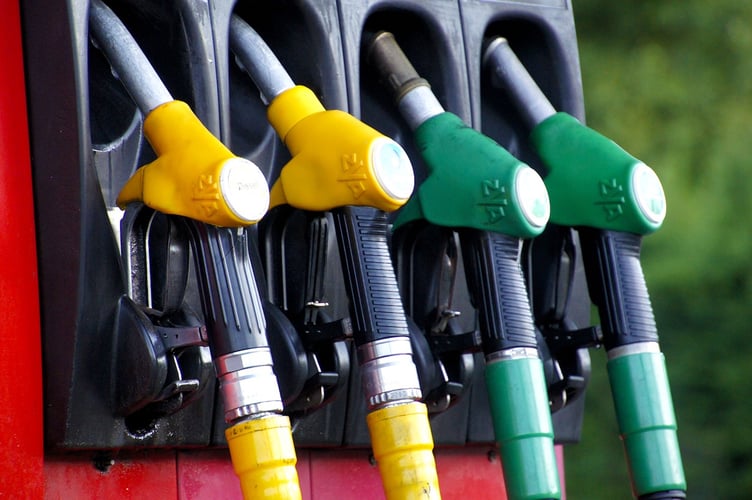
Drivers will benefit from the extension of the existing 5p-per-litre fuel duty reduction until the end of June 2027.
The planned increase in fuel duty has also been postponed until 1 July 2027.
This will be welcomed by those living in communities where public transport is limited and driving remains essential for employment, shopping and healthcare.
The reduction in red diesel duty will also continue, providing relief for farmers, hauliers and businesses operating fuel-intensive machinery.
The Budget maintains existing reductions rather than introducing a further immediate cut in pump prices, therefore any immediate relief to expenditure is unlikely.
Higher mileage allowances for workers
People using their own cars for work will benefit from higher tax-free mileage allowances.
The Government is making permanent the 55p-per-mile allowance for the first 10,000 business miles travelled annually, introduced earlier this year. The allowance for mileage exceeding 10,000 miles will increase from 25p to 35p.
The change could be particularly useful for community nurses, care workers, tradespeople and self-employed workers covering large distances across rural communities.
Minimum wage to rise in April
Workers earning the minimum wage will receive a pay increase from 1 April 2027.
The new hourly rates will be: £13.21 for workers aged 21 and over, £11.27 for workers aged 18 to 20, £8.31 for workers aged 16 and 17 and eligible apprentices. Each wage increase represents 3.9 percent.
The Treasury says the increase in the National Living Wage will add approximately £910 to the gross annual earnings of a full-time worker.
However, employers in sectors already facing rising costs will also need to meet the higher wage bills. This wage increase could be particularly challenging for businesses across hospitality, tourism, retail, social care and many others.
The increased minimum wage rates could also influence recruitment decisions, as employing workers aged 21 and over will carry much higher wage costs than employing younger staff, potentially creating an additional challenge for older jobseekers.
Pensioners to receive tax protection
The Budget includes measures intended to prevent people relying on the State Pension from having to pay income tax simply because pension payments have risen above the usual tax-free allowance.
From April 2027, a new Pension Tax Allowance will protect people above State Pension age whose total income does not exceed the value of the full new State Pension.
What about pubs, shops and tourism businesses?
The Chancellor announced a package of business rates support for shops, hospitality venues and leisure businesses.
However, the headline increase in Small Business Rate Relief thresholds from £12,000 to £18,000 relates to England.
Business rates are devolved in Wales, meaning pubs, restaurants, shops and visitor accommodation here will not automatically qualify for the English changes.
Welsh business rates arrangements will be confirmed separately through the Welsh Government's budget process.
The UK Budget also includes £10 million of alcohol duty relief intended to support around 2,000 smaller British brewers and cider makers.
Another £450 million for Welsh public services
The Treasury says its Budget will provide the Welsh Government with an additional £450 million for public services.
This follows additional funding provided through previous UK fiscal announcements.
The money will be available to the Welsh Government for devolved responsibilities including health, education, housing and local government.
Those decisions will depend on how ministers in Cardiff allocate funding. The Welsh Government is scheduled to publish its draft Budget for 2027–28 on 17 November.

What about the Cambrian Line?
The Welsh Government has been pressing Westminster to bring forward £1 billion from the UK Government's £14 billion long-term commitment to Welsh railway improvements.
The Treasury's Wales announcement did not identify a new project specifically for the Cambrian Line or confirm the requested £1 billion acceleration.
For communities relying on rail connections between Aberystwyth, Machynlleth, Shrewsbury and north Wales, the timing and location of promised investment remain important outstanding questions.
Plaid Cymru: ‘Where is the ambition?’
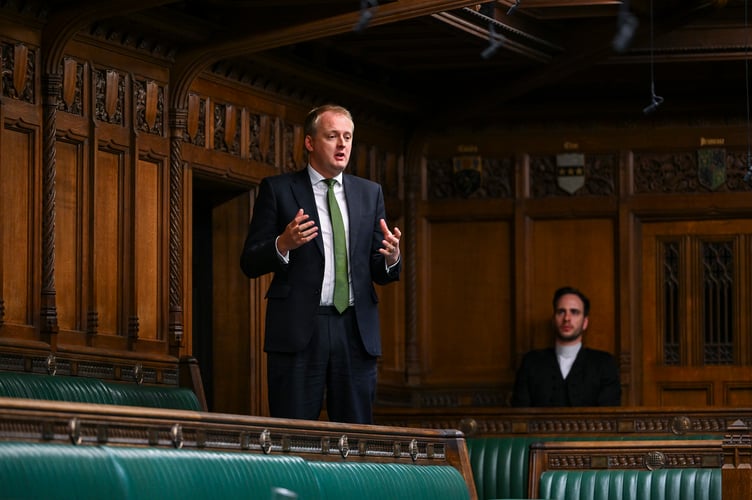
Plaid Cymru has accused the UK Government of failing to deliver for Wales, with Ceredigion Preseli MP Ben Lake questioning the ambition of the Budget.
Mr Lake, the party's Treasury spokesperson, criticised the £30 million allocated to Cardiff Parkway railway station, arguing it fell far short of the £1 billion in rail investment Plaid Cymru had called for.
He said: “After months of promises about a new relationship with Wales and a new approach from the Treasury, the question many people will be asking is – where is the ambition?”
Mr Lake said the Budget's additional £450 million for the Welsh Government, which he said would be spread over three years, risked leaving public services struggling to keep pace with inflation.
He also criticised the lack of progress towards the UK Government's wider £14 billion rail investment commitment for Wales.
“A £14 billion promise has, in practice, translated into £30 million in this Budget,” he said.
The MP also raised concerns about the effectiveness of energy measures for rural households, many of which are not connected to the mains gas network.
“We welcome any movement on energy support, but scrapping gas standing charges is not enough,” he said.
“Many households across Wales are not connected to the gas grid and will see no benefit from this measure.”
The Treasury, meanwhile, said its Budget would provide an additional £450 million for Welsh public services, alongside measures to reduce energy costs and extend fuel-duty relief.
So, who benefits and who loses in rural west Wales?
The clearest winners are low-paid workers, motorists who depend on their cars and people using their own vehicles for work. Households relying on heating oil and farmers could also see some relief from reduced tariffs and continued fuel-duty cuts, while certain pensioners will benefit from tax protection.
However, the gains are far from universal.
Small businesses, particularly those in hospitality, tourism, retail and social care, face higher wage bills, potentially forcing difficult decisions over prices, recruitment and staffing.
Households without mains gas will miss out on changes to gas standing charges, while Welsh pubs and shops will not automatically benefit from business-rates relief announced for England.
Meanwhile, there is still no confirmed new investment for the Cambrian Line, and questions remain over whether Welsh households will receive energy support equivalent to the £100 payment announced for England.
Ultimately, the Budget offers some financial breathing space for rural west Wales, but its benefits are uneven, and some of the region's most pressing challenges remain unresolved and ignored.
Comments
We've recently changed our login process. If you have an account for commenting, you will need to re-register on the login window.
This article has no comments yet. Be the first to leave a comment.