

A collective of Welsh writers – including Aberystwyth-based poet and lecturer Mari Ellis Dunning – has joined forces to release a new collaborative poem, They Call Us, in defiance of misogyny and gendered hate.
The poem was published on International Women’s Day (on Sunday, 8 March) as a statement of solidarity with women who have faced online abuse, including young women’s health campaigner Athika Ahmed.
In January, 23 year old Athika Ahmed became the target of a coordinated wave of online harassment after far right activists deliberately circulated false claims that she was the Health Minister for Wales.
The misinformation triggered a surge of vitriolic abuse, with attacks directed at her appearance, faith, race, and nationality.




In response to this, Aberystwyth poet Mari Ellis Dunning (from the department of English & Creative Writing at Aberystwyth University), the National Poet of Wales Hanan Issa, and novelist Gosia Buzzanca invited women and allies from across Wales and beyond to submit single lines of poetry. These lines were then woven into a single collective piece – an act of creative resistance and shared strength.
The resulting poem, They Call Us, brings together dozens of voices and reaffirms the power of community in challenging misogyny.
Mari Ellis Dunning, poet and creative writing lecturer at Aberystwyth University, said: “This poem is a refusal — a refusal to allow hate to stand unanswered, and a testament to what happens when women and allies come together with purpose.
“When Athika was targeted, it was not just an attack on one young woman, but on every woman who has ever been told to shrink herself, to stay quiet, or to accept cruelty as the cost of visibility.
“By gathering these voices, we are weaving a chorus that insists on compassion over hostility, truth over misinformation, and solidarity over silence.
“In bringing these lines together, we are saying loudly and clearly that we will not be diminished. We say no to hate. We celebrate the strength and resilience of women like Athika using the power of collective voice and poetry. This piece stands as both a shield and a beacon — a reminder that when one woman is targeted, countless others will rise beside her, refusing to let her stand alone. Our shared words become a force that outlasts the noise, a testament to the unbreakable threads of community, courage and creativity.”
Athika Ahmed is a women’s health campaigner. Commenting, Athika said: “To have received such compassion in a time where I was given so much hate, it truly helped me rise above and carry on doing the work I’m passionate about.”
Hanan Issa, National Poet of Wales, said: “In a world that feels less and less safe for anyone who identifies as a woman, we wanted to voice our anger and frustration as well as our solidarity with Athika and others like her.”
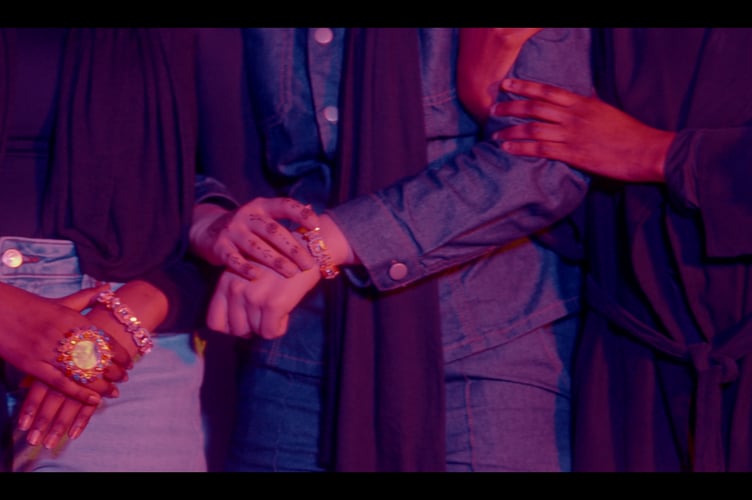
The poem, accompanied by a short film, has been released on the Literature Wales website on International Women’s Day 2026, Sunday 8 March.
Comments
We've recently changed our login process. If you have an account for commenting, you will need to re-register on the login window.
This article has no comments yet. Be the first to leave a comment.