
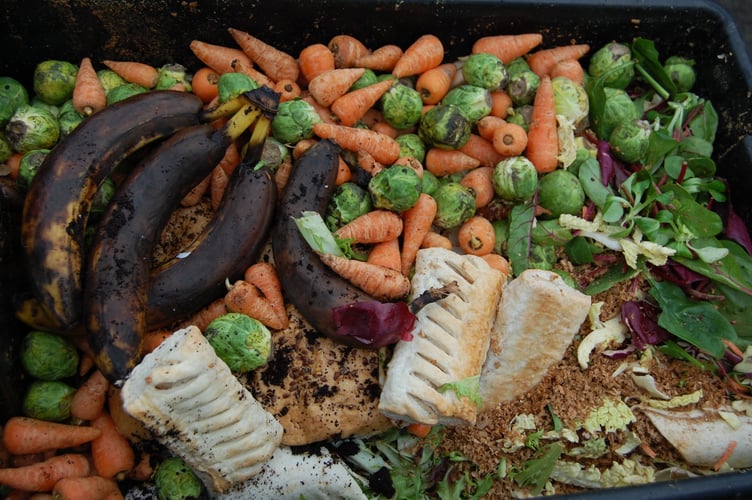
In a corner of a mid-Wales bus park sits a town’s worth of rotting potato peels, out-of-date sausage rolls and banana skins.
But it’s not waste anymore; the town’s scrapings are digested by millions of microbes Machynlleth residents Steph Robinson and ffin Jordão call their ‘co-workers’.
With their gentle coaxing, it's turned into compost which growers in the fields next door use to grow the veg that people eat in the same cafes the waste came from.



Now, they’re inspiring communities across the UK to do the same.
Steph, 49, said: “We’re trying to complete that circle, but also build an understanding of why it's important that our soil and food are nutritious, that all this stays local, and what you can do with discarded things.”
It was lockdown that inspired ffin, a 42-year-old water resources manager, to create something positive out of waste.
In the pandemic rush for ‘black gold’ when there wasn’t enough compost to go around, ffin imagined a solution that closed a gap in the area's food system.
Together with Steph, a diversity and inclusion director, they ditched their desks to go full-time in the rotting trade, creating criw compostio (compost crew).
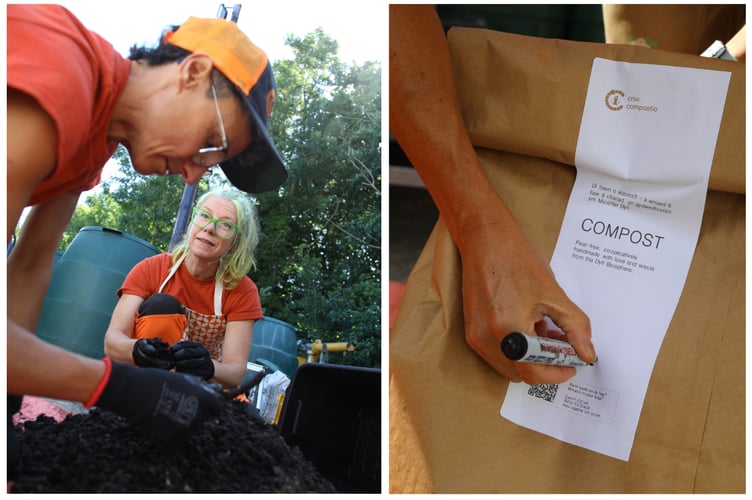
Their community composting business offers the town’s cafes and restaurants a local solution to their waste, cheaper than commercial waste management, with some choosing to pay more to support the non-profit team.
They’re tackling a global issue - a third of all food produced globally is thrown away.
In the UK, that equates to 6 million tonnes of food a year (the largest in Europe) - 70 per cent from households, 30 per cent from industry, producing 25 million tonnes of greenhouse gases annually.
Food waste collected by local authorities actually went down in recent years, with 850,000 tonnes collected for recycling in 2022.
In mid-Wales, criw compostio uses their electric van to collect 800 litres of peelings and out-of-date produce weekly from 13 businesses.
They’re not fussy about what they take, wanting to “meet businesses where they’re at” among strict kitchen hygiene codes - instead, they comb through the waste by hand, picking out mayonnaise sachets, teaspoons, and, once, a plastic chicken foot.
Instead of transporting it to Bridgend or Oxford, where the local authorities' food waste goes to anaerobic digesters, the ‘compostistas’ travel less than a mile to Lloyd’s Coaches bus park - close enough to cut mileage, but not too close to residents.
Ffin describes their partnership with the local bus service as “crucial”: “It’s a confronting thing, asking landowners to bring waste onto their land.
“There’s a lot of trust in that.
“We’re really grateful that Dan Lloyd [from Lloyds Coaches] got what we were doing straight away.”
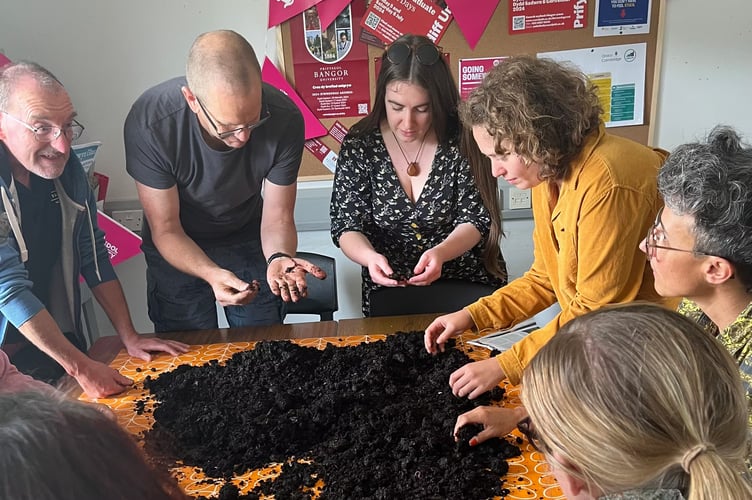
This is another thing their work does - bringing this “confronting” element of the waste we produce into the light. They address stereotypes of waste processing as smelly or rat-riddled through their work with volunteers, composting schools, at markets and festivals - hosting a ‘smashing pumpkins’ stall in November with residents' slumped Halloween carvings.
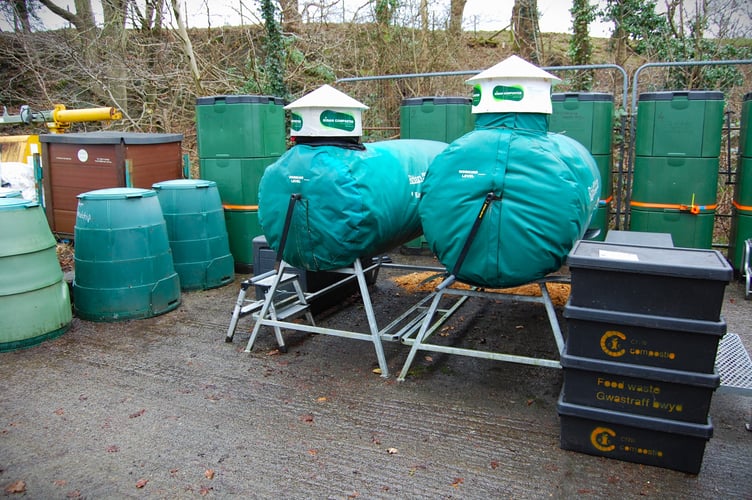
Over 18 months, the food is hand-spun in aerobic digesters - big barrels with jackets creating the right environment for the food-digesting microbes - to create 11 tonnes of peat-free compost annually, given back to the town in pay-as-you-feel bags.
Their compost isn’t uniform; it will have egg and mussel shells in, both good for soil, which Steph says shows the compost's roots: “It’s a visible reminder that it’s made out of our own decayed matter.
“It’s an experiment for people in how they feel about their waste and their food.”
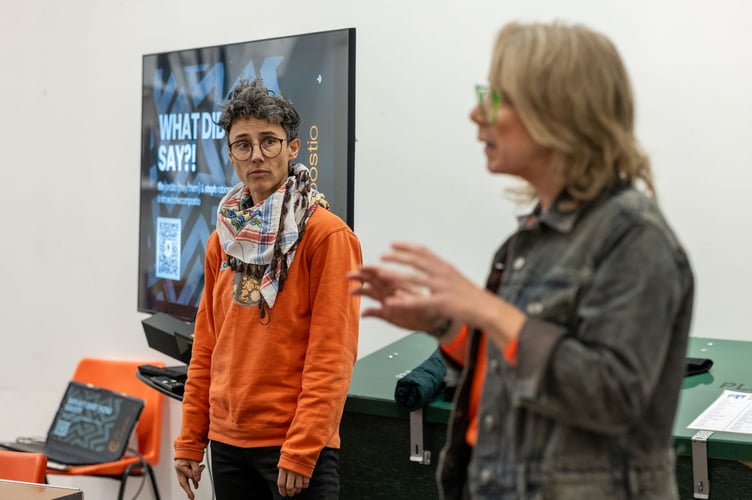
Their circular economy doesn’t stop at the market town’s borders; their composting school, free thanks to National Lottery funding, attracts dozens from across the UK to learn what they do, inspiring schemes in Newtown, Birmingham, Essex, and one in Carmarthen which became award-winning.
Steph explained: “Our model isn’t world domination of community composting projects, but to help others set up projects that suit them.
“It brings us huge joy to hear what they do with it.”
Machynlleth market gardener Roz Corbett said it's hard to find good-quality compost, but what they produce is “beautiful”: “We buy in a lot of compost, so it’s great to reduce transport miles of the inputs on our farm, and to know it’s made with so much care and consideration.”
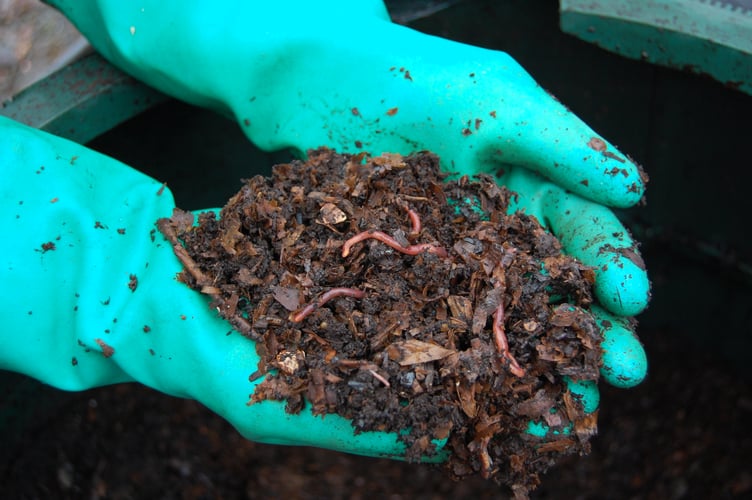
They say it’s good because it’s “biologically alive” - their tests show the compost's nutrients stay in the soil crop after crop, it doesn’t wash away into rivers.
Ffin said: “People tell us it gives them hope; in an increasingly complex world, having something tangible and direct that solves a simple problem locally is no bad thing.
“Instead, we add value to food waste - more than half of agricultural land worldwide is degraded, so making compost is always a good thing.”
Comments
We've recently changed our login process. If you have an account for commenting, you will need to re-register on the login window.
This article has no comments yet. Be the first to leave a comment.