
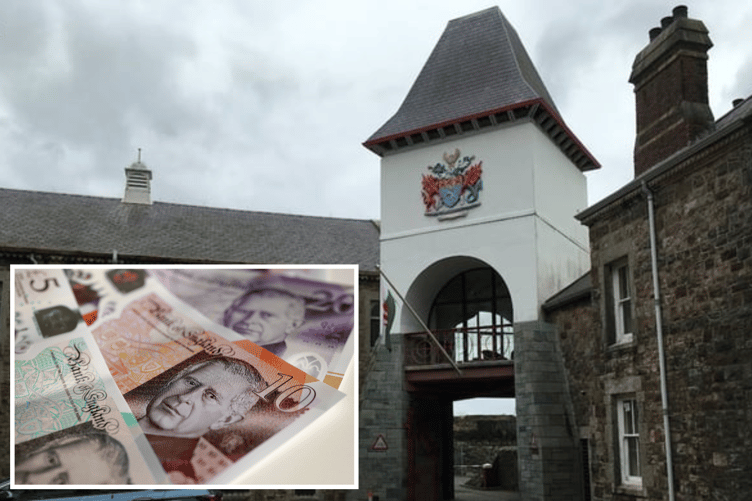
The process of implementing a charge on tourists staying overnight in Gwynedd is moving a step forward.
The controversial visitor levy could be operational in the county by October 2027, if adopted.
The proposed fees, which have sparked intense debate, could also see the county receive a payment of £2.65m by 2028 if the levy is agreed, a council report states.
The details, and the impact of the levy on the county, are laid out in a report considered by Gwynedd’s education and economy scrutiny committee on Thursday, 12 February.
A further report will be submitted to the council in May where a decision on whether or not to consult with the public to adopt the levy will be taken. The matter must be scrutinised before any decision can be made.
People under 18 would be exempt from the lowest rate (hostels, campsite pitches or shared rooms) as well as anyone who stays more than 31 nights in a single booking and those in emergency or temporary housing arranged by the local authority.
The rules also mean visitor accommodation providers in Wales are required to register their premises, even if a local authority does not choose to adopt the levy.
The council would have no role in the operation of the registration, enforcement and levy collection procedure.
Although powers are given to local authorities to adopt the charges by resolution of the full council, the WRA will manage the register and levy collection for councils.
By October 1, 2027, the levy could be in operation in Gwynedd, and by June 30, 2028, it could see the “first payment of the levy to Cyngor Gwynedd – approx. £2.65m,” the report states.




In 2019, research by Cyngor Gwynedd, entitled ‘Benefiting from Tourism’ identified a levy would “bring the greatest benefits in terms of potential income to support of Gwynedd and Eryri”.
It also noted research on holiday homes had also “identified the need to establish a licensing scheme for short-term holiday lets”.
“The financial position of Local Authorities and other public bodies highlights the need to seek to identify new sources of income for supporting the visitor economy and respond to increasing financial challenges to maintain county-wide infrastructure and the opportunities arising from having visitors in our area,” it said.
It acknowledged “a number of voices” had “raised concerns” about the state of the visitor economy, in the wake of Covid-19, the 182-day rule, Article 4 Directive and cost-of-living crisis, but added that discussions had been held and continued.
Discussions had also taken place with Anglesey and Conwy councils to co-ordinate the timetable, consultation work on the levy and work to commission impact assessments.
The Act states a levy may be introduced from April 1 or October 1 in any financial year – but 12 months’ notice must be given following consultation and a decision by full council.
The report stated it was “not possible” for Gwynedd to act within that timetable but “should the council decide before September 30, 2026 to adopt the levy, it could be introduced from October 1, 2027, following 12 months’ notice”.
Comments
We've recently changed our login process. If you have an account for commenting, you will need to re-register on the login window.
This article has no comments yet. Be the first to leave a comment.