
The Senedd election is nearly here – but where do each of the main parties do stand on social issues such as LGBTQ+ rights, disability rights, and immigration?
Nation of Sanctuary
Introduced in 2019, the ‘Nation of Sanctuary' sets out how the Welsh Government can support refugees and asylum seekers in Wales.
It includes, but is not limited to: making sure refugees can find new accommodation when they leave asylum accommodation; helping refugee or asylum seeker survivors of domestic abuse to get support; supporting child asylum seekers to get the advice and support they need; and promoting an understanding of Welsh culture and heritage amongst asylum seekers.


.png?width=209&height=140&crop=209:145,smart&quality=75)

Welsh Labour pledges to protect the plan and “support those who arrive here to rebuild their lives after fleeing persecution and war”.
Also committing to keep Wales a “welcoming nation”, the Green Party says it will strengthen support for refugees, asylum seekers, and migrants by protecting and expanding the Nation of Sanctuary.
In contrast, Reform UK pledges to end the plan it claims has supported “illegal economic migrants and welcomed unvetted military-aged men into our communities”.
It describes the policy as a “clear security risk” and an “ever-growing burden” on the Welsh taxpayer.
Other policies from Reform include scrapping all international aid spending and rejecting migrant hotels and HMOs in Wales.
Like Reform, the Welsh Conservatives pledge to scrap the Nation of Sanctuary, which was first introduced in 2019.
The Nation of Sanctuary does not feature in the manifestos of either the Welsh Liberal Democrats or Plaid Cymru - but both party leaders, Jane Dodds and Rhun ap Iorweth, have expressed their support for the plan during the election campaign.
Immigration policy is a reserved power - meaning it is in the hands of the UK Government and is not devolved to Wales. The Senedd and the Welsh Government have no power to contravene UK immigration law.
European Convention of Human Rights
Alongside policies about the Nation of Sanctuary, discussion of human rights has featured heavily across the party manifestos.
The Welsh Conservatives and Reform UK both pledge to support withdrawal from the European Convention of Human Rights (ECHR), if elected.
In contrast, the Welsh Liberal Democrats and the Wales Green Party explicitly state within their manifestos that they will oppose any attempts to withdraw from the ECHR.
Going a step further, Plaid Cymru proposes to introduce a new Human Rights Act to “fully incorporate key international treaties” into Welsh law.
The new act would incorporate treaties such as the UN Convention on the Rights of the Child, and the UN Convention on the Elimination of of All Forms of Discrimination Against Women.
Welsh Labour does not mention the ECHR in its manifesto.
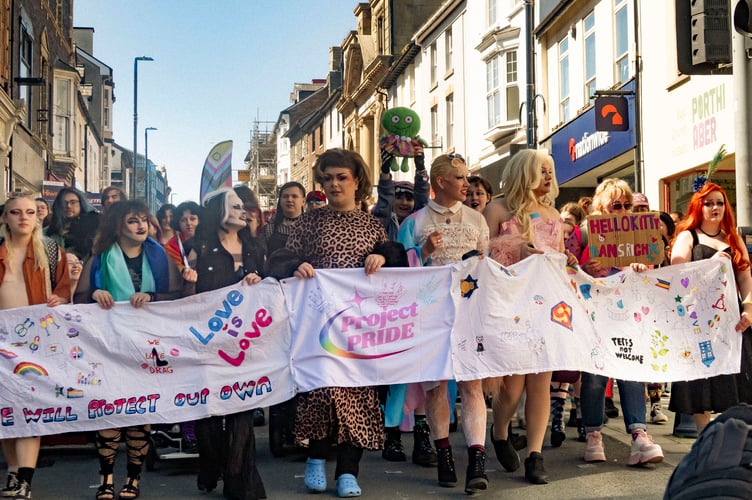
LGBTQ+ Rights
First set out in 2023, the LGBTQ+ Action Plan for Wales underlined the Labour Welsh Government’s commitment to advancing equality and inclusion.
In its manifesto, Welsh Labour has pledged to refresh the action plan and work to make Wales the best place to be an LGBTQ+ person in Europe.
The Lib Dems say they will “respect and defend the rights of people of all sexual orientations and gender identities, including access to life-saving medical care”.
They add that, if elected to government, they will work across nations to “establish a consensus for reforming equalities and gender recognition laws to protect trans people's rights”.
Pledging to stand against “all forms of homophobia, biphobia, and transphobia”, Plaid Cymru says it will press the UK Government on a full trans-inclusive ban on “so-called conversion therapy”.
The party also says it will support the development of a ‘Welsh Gender Service’ to ensure people can access both appropriate and timely care without needing to travel to England.
Similarly, the Wales Green Party commits to making Wales a “safe, thriving enriching environment for people of all sexualities and gender identities”, pledging to increase LGBTQ+ representation in school curriculums and to revisit healthcare to ensure “equitable access to treatment”.
On the other hand, Reform UK says it will “restore common sense” and make government policy based on biological sex, with the party pledging to end gender self-ID in women’s sports and to stop “gender ideology being taught in schools”.
The Welsh Conservatives say they will “protect female-only spaces” for women and girls in Welsh schools, universities, and colleges.
They will also require female-only toilets and changing rooms in all public buildings, female-only wards in Welsh hospitals, and say they will protect female-only sports.
Disability
The Welsh Conservatives have said, if elected, they will incorporate the United Nations Convention on the Rights of Person with Disabilities into Welsh law.
They also pledge to support disabled people to live independently by developing a “streamlined home adaptions system and increasing the use of direct payments” – as well as embracing the Social Model of Disability and the right to Independent Living.
Plaid Cymru and the Welsh Liberal Democrats also pledge to incorporate the UN Convention on the Rights of Disabled People into Welsh law.
Similarly, Welsh Labour says it will continue a “decade of action” and implement the Disabled People’s Rights Plan - ensuring that disabled people can “live, work and flourish as equal citizens”.
The party pledges to work with all devolved public bodies to achieve “Disability Confident Leader status”, working with the Disabled People’s Employment Champions.
Pledging to introduce a long-term ‘Disabled People’s Rights Plan’, policies put forward by the Green Party include expanding accessible housing, strengthening direct payments, reducing insecure work, and investing in services that support independent living.
The party also says it will appoint a minister for disabled people to ensure disability rights are prioritised across government.
Reform UK does not have any policies on disability within their manifesto.
‘Just barely surviving’
Rhian Davies, chief executive of Disability Wales, said: "We published our manifesto, ‘From Barely Surviving to Truly Thriving’, before Christmas, and in a way that captures the issues facing disabled people.
"The cost of living challenges have exacerbated ten, 15 years of austerity, where we saw cuts in benefits, cuts in services, then the pandemic and the cost of living - and now that's looking like it could potentially deepen.
"Many of our members tell us how they're just barely surviving in terms of having to make really difficult choices literally between eating or heating their homes, not really being able to get out and about much, and being very isolated."
She continued: "The last Welsh Government published the Disabled People's Rights Plan before Christmas. We've been calling for all political parties to commit to supporting that plan, and to continuing and developing it further to tackle the barriers that disabled people face in everyday life - whether that's access to accessible housing, social care, transport and to employment.
"We're also calling for a full rights-based approach. So what we'd like to see is the UN Convention on the Rights of Disabled People being embedded and incorporated in Welsh law - which means that public bodies need to be informed as to how they ensure disabled people's rights across all their services.
"We've been calling for a minister for disabled people as well.”
Comments
We've recently changed our login process. If you have an account for commenting, you will need to re-register on the login window.
This article has no comments yet. Be the first to leave a comment.