
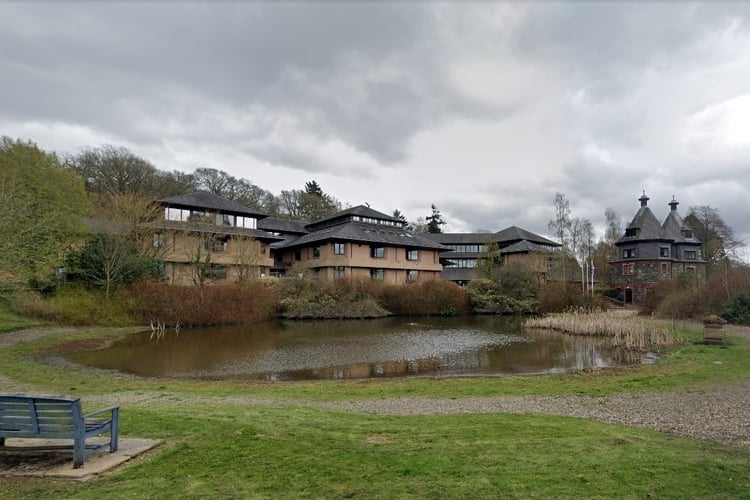
Powys County Council is preparing to review the rules governing the sale and transfer of publicly owned land and buildings, as it faces a projected £10 million budget gap next year.
A revised Corporate Asset Policy will go before the council's Economy, Residents and Communities Scrutiny Committee on Wednesday, 11 November.
The policy sets out how the authority can acquire, lease, sell, transfer and manage property, including buildings declared surplus to requirements.
Councillors have been asked to examine whether the arrangements are clear, workable and strike an appropriate balance between community benefit and financial considerations. Particular attention will be paid to community asset transfers, disposals involving housing associations and the circumstances in which exceptional sales might be justified.
The revised approach continues to allow buildings and land to be transferred to community organisations, with leasehold arrangements generally preferred over outright transfers of ownership.
The review comes as Powys faces substantial financial pressures. In October, the council warned that its projected funding shortfall for 2027/28 had reached £10m, with a cumulative £51.8m gap forecast over five years.
Rising social care costs, homelessness pressures, education needs and increasing operating expenses are contributing to the financial squeeze. Financial planning assumptions include a possible five percent council tax increase, although no decision has been taken.
The policy review also follows a long-running dispute over selling council-owned assets, particularly county farms.
In July 2025, councillors voted by 27 to 20, with four abstentions, to pause county farm sales until a management policy was agreed and scrap a target of raising £10m annually through asset disposals.
Supporters of the motion argued that council farms were important for food production and helping younger people enter agriculture.



Council financial papers warned that reduced proceeds from sales could mean scaling back building projects or increasing borrowing. They estimated that every additional £1m borrowed could cost the authority's annual revenue budget between £50,000 and £60,000.
At a finance panel meeting in May, council leader Cllr Jake Berriman predicted asset sales could bring in around £5m during 2026/27, while stressing the former £10m annual target had been abandoned. He also acknowledged that several sales had fallen through.
Proceeds from selling assets generally help fund capital projects, rather than directly closing a recurring day-to-day budget gap. However, reduced borrowing and property upkeep costs can ease pressure on council finances.
The authority's property portfolio includes schools, council offices, libraries, leisure centres and agricultural holdings. Its asset policy also governs how surplus buildings can be repurposed or retained, meaning the review does not itself constitute a new programme of property sales.
Cllr Berriman, who holds responsibility for the property portfolio, said decisions must consider "community benefit alongside our responsibility to manage public resources carefully".
He said the revised policy would provide consistency, safeguards and accountability when decisions concerning public assets are made.
The announcement does not identify any particular council building or land earmarked for sale. After the scrutiny committee has examined the proposals, Cllr Berriman will decide whether the updated policy should be adopted.
Comments
We've recently changed our login process. If you have an account for commenting, you will need to re-register on the login window.
This article has no comments yet. Be the first to leave a comment.