
At the Conference of the Parties (COP) this year in Brazil, governments, environmental activists and scientists are arguing yet again how to keep the global temperature from rising, aiming to keep it less than 1.5 degrees above pre-industrial levels.
Prof Friedlingstein from Exeter University explained this week that we have almost breached this target already. He is Director of the Global Carbon Budget where they calculate how many tonnes of carbon dioxide have been emitted, how much is absorbed by oceans, tundras, peat bogs and forests, therefore how much can still be emitted till we reach 1.5 degrees.




We’ve become addicted to using as much energy as we like and can afford. Now we’re transitioning from fossil fuels to renewable energy, it’s crazy that our energy prices are linked to gas prices on the world market, and, very unfairly, our standing charges on how densely populated an area is.
This is COP 30, hence the thirtieth time governments have come together and yet, frustratingly, agreements are rare and big emitting countries stay away. We know about dangerous feedback loops, and the effects of climate change are being felt all over the world. Prof Friedlingstein warns that warmer seas absorb less carbon, meaning we must tackle climate change extremely urgently. The Remaining Global Carbon Budget is finally on the agenda in Brazil. What does it mean in practise?
Many people feel it’s hard to change habits or believe it’s not their responsibility to do anything about the climate crisis, and there are still people who think the whole thing’s a hoax. I learned about climate change at secondary school in 1972 and have taught the science behind it for many years, which is actually quite simple. We can’t keep expecting somebody else to cut their carbon emissions and shrug our own shoulders. Prof Friedlingstein impressed me when he stated he wouldn’t be flying to Brazil as he wants to keep his own carbon footprint to a minimum.
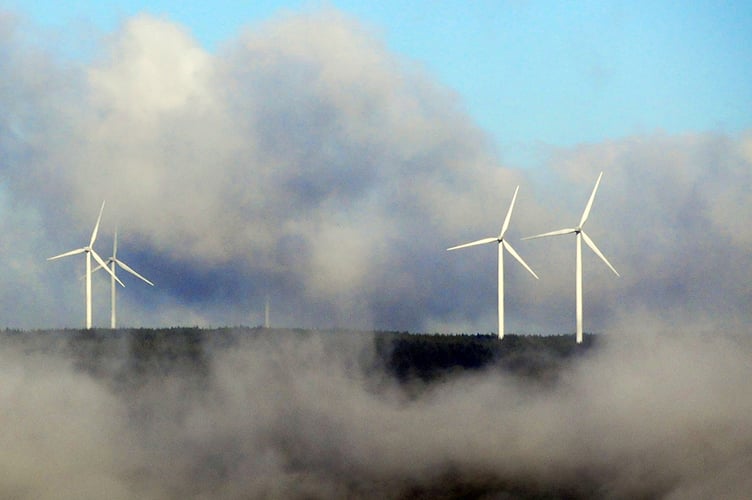
What can we do in west Wales? Farmers were asked to plant 10 percent of their land with trees but that demand has been dropped, wrongly in my opinion. Perhaps farmers should’ve been compensated better but we need that tree planting. When it comes to generating renewable energy, we’re probably being asked to accept a disproportionate number of turbines, just like Scotland is. English hillsides surely are suitable too!
We must have a proper debate about how much energy we need, not how much we want, as human want is clearly insatiable. This type of conversation would be useful to have in Citizens Assemblies. We ought to agree on a certain average level per household, and add the needs of our hospitals, schools, businesses, buses and trains. Questions to be debated: Can all our energy needs be electrified, how do we do it, how long will it take, can we train a young local workforce, how much will it cost, how do we pay for it, and how do we compensate those affected most?
The next question then is, do our demands fit the Remaining Global Carbon Budget. Can we generate that amount with wind turbines and solar panels (on roofs)? Can we absorb any excess carbon dioxide through more tree planting and peat restoration? With that knowledge we can calculate how many turbines we need, not how many the industry wishes to put on our hills. It should be our choice to export and not have such decisions imposed on us, not from Westminster, nor from Cardiff. But as I keep saying, we must recognise our planet’s limits; Earth will have the final sanction, look at Monmouth!
Comments
We've recently changed our login process. If you have an account for commenting, you will need to re-register on the login window.
This article has no comments yet. Be the first to leave a comment.