
Independent retailers on Cambrian high streets are facing mounting pressures, from changing customer habits and increased operating costs to fluctuating footfall. As these businesses adapt to local challenges, digital transformation is becoming an important way to survive and continue serving their communities. Shopping behaviours, finding local offers, and the daily experience on Cambrian high streets are evolving as technology becomes more central to retail operations.
Cambrian’s high streets are undergoing clear changes that affect how local shops run and connect with residents and visitors. Many independent businesses are reworking traditional methods as footfall declines at certain times and as shoppers search online for information and convenience. The MMM platform states that digital transformation in retail is one approach some businesses use to maintain their presence and continue to be a key part of Cambrian’s community life. For those living in or visiting the area, these developments mean familiar high streets are introducing new technologies while aiming to preserve their place at the heart of local life.
Economic pressures driving digital adoption locally
Retailers on Cambrian high streets have observed shifts in visitor behaviour, such as fewer unplanned visits and more people planning purchases ahead of time. These patterns, combined with high energy bills and ongoing operational costs, encourage many local businesses to search for new opportunities to attract customers and support in-store sales.
For independent retailers in Cambrian, adopting digital tools is increasingly seen as a practical choice. Implementing these changes often assists with day-to-day operations and helps local shops remain responsive to changing local market conditions.
What digital transformation looks like inside shops
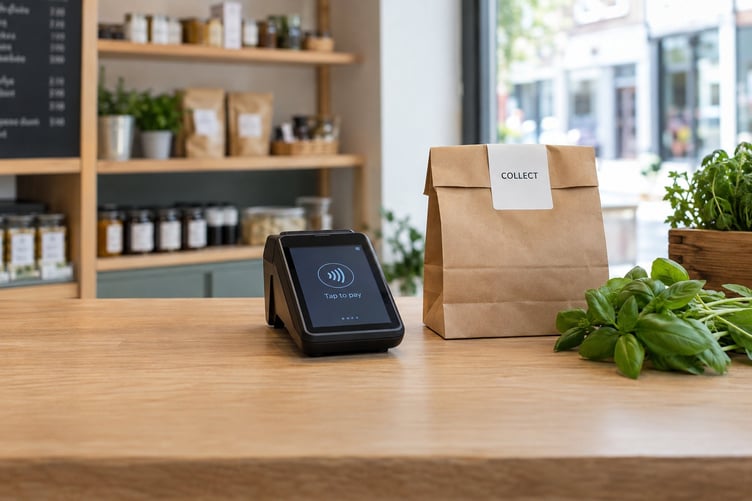
Many Cambrian high street businesses are experimenting with simple digital tools to enhance competitiveness. Options like click-and-collect, basic e-commerce websites, and digital loyalty cards are helping customers interact with local shops in ways that fit their preferred shopping habits.
Offering up-to-date product availability online and convenient cashless payment options can improve customer service. For independent retailers, using digital technology behind the scenes makes it possible to manage inventory and tasks more smoothly, ensuring that the personal touch shoppers expect remains central to their experience.
Leveraging communication and measuring progress
Communicating directly through social media, local newsletters, and digital channels is becoming increasingly prominent for Cambrian retailers looking to reach loyal and new customers. Choosing the right communication methods typically depends on each shop’s unique audience, but experimenting with new approaches is often key to staying visible in the local market.




Businesses may monitor which promotions encourage local visits, which sales tactics are most effective, and how online activity translates to in-store purchases. The MMM platform notes that some retailers track their posts or digital promotions to observe customer engagement patterns, helping them refine their strategies while keeping the process accessible even for smaller teams.
Overcoming local barriers and building resilience
The speed at which digital tools are adopted in Cambrian often depends on practical barriers. Shops may face challenges such as spotty internet connectivity in rural parts of the region or a lack of resources for training in newer technologies. Limited time and the added cost of unfamiliar systems can also present hurdles, especially for smaller shops with tight budgets.
Support networks and local training initiatives play a crucial role for Cambrian’s independent retailers who want to improve their digital skills without losing strong community roots. By carefully adopting technology that complements rather than replaces face-to-face service, shops can ensure they keep their local character while staying competitive.
The future of Cambrian high streets is likely to include ongoing upgrades in technology, more data-driven decision-making, and enhancements to in-store and online integration. As digital transformation in the region continues, local businesses are working to balance innovation with the traditional strengths that make Cambrian communities unique.
Comments
We've recently changed our login process. If you have an account for commenting, you will need to re-register on the login window.
This article has no comments yet. Be the first to leave a comment.