
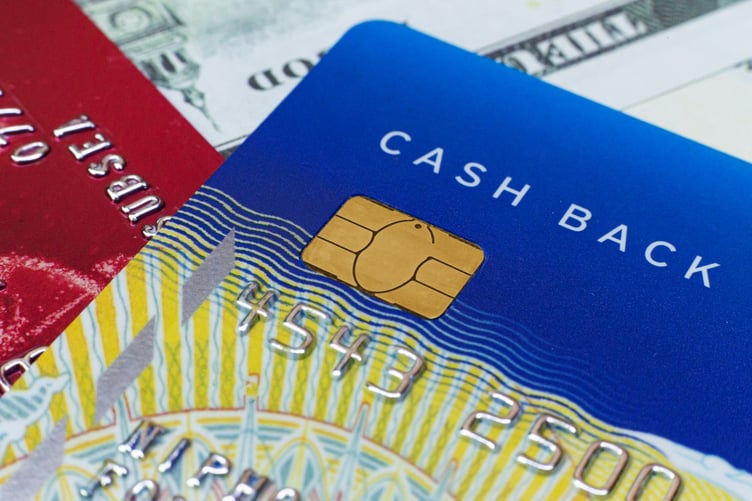
Load first, spend later: that is the idea of a prepaid card. The fees and refund rules take more explaining.
What exactly is a prepaid card?
A card or code you load with your own money first, so you can only spend what is on it. Most count as e-money, which the Financial Conduct Authority (FCA) describes as "money that you have 'stored' electronically to spend later".
There are three main kinds. Reloadable cards work like a debit card at the till and can be topped up repeatedly. Travel money cards are reloadable cards built for trips abroad: the Post Office's is a prepaid Mastercard holding up to 22 currencies. Voucher codes, such as Paysafecard, hold a fixed amount and are spent online with a 16-digit PIN.
How do you put money on one?
The Post Office card takes top-ups of £10 to £5,000 (as of October 2026) in its app, online or at branches that offer travel money. It suggests paying by debit card, because a credit card provider may charge a cash advance fee.
A Paysafecard code is bought at a shop counter or from an authorised online seller, with the PIN on the receipt or confirmation. As of October 2026, codes come in values from £10 to £100 and can be combined in one payment, but without a Paysafecard account each payment is capped at £40.
What fees should I look for?
Mainly four: loading, cash machines, foreign currency and money left sitting. As of October 2026, the Post Office card charges 1.5% (minimum £3, maximum £50) to load pounds rather than a foreign currency; £1.50 per UK cash withdrawal, with different amounts abroad; 3% to spend in a currency the card doesn't support; and £2 a month on money left 12 months after the card expires.
Paysafecard's current UK terms, which took effect on 26 May 2026, take £4 a month from any balance left on a code more than 30 days after purchase, add 3% to payments in euros and 6.09% in other foreign currencies, and charge £6 to refund unused credit.




Where might one be refused?
The Post Office's card may not work on cruise ships, planes and some toll roads, and can't be used for direct debits or subscriptions. A Paysafecard code works only on websites that show it as a payment option.
Deposits are another snag. The Post Office advises against using its card for car hire or hotel check-in deposits, because those large sums tie up the money you've loaded. Some firms refuse prepaid cards outright: Sixt's UK help pages say it doesn't accept them and wants a credit or debit card in the main driver's name for the deposit.
Can I get my money back off the card?
Yes. Under the Electronic Money Regulations 2011, an e-money issuer must return your balance at face value whenever you ask, until six years after the contract ends. Any fee must be in the contract, reflect the issuer's actual costs and apply only in limited cases, such as asking before the contract ends.
The Post Office lets you move leftover money to a UK bank account online or take it in cash at a branch. Paysafecard wants the code, photo ID and your bank details, then deducts its fee. If an issuer won't co-operate, complain to it, then to the Financial Ombudsman Service.
Prepaid money isn't covered by the Financial Services Compensation Scheme: issuers must safeguard it instead, and the FCA has warned that can still mean delays or losses if a firm fails.
What if I lose it?
Report a card at once. The Post Office's lost-card line is open 24 hours a day, and its app can freeze a card you've only mislaid. For a card like that, the Payment Services Regulations 2017 normally cap your share of any misuse at £35 before you report it, and nothing after.
A code is closer to cash. Paysafecard's terms warn that you are likely to lose some or all of the money on a lost or stolen code. Keep the receipt: Paysafecard needs its serial number to block what's left on a stolen code.
Can money go back onto a prepaid code?
Not as a rule. Paysafecard says a payment can't be reversed once processed, so any refund is for the shop to arrange. Where a website can send money back, it goes to a Paysafecard account, and not every site offers that. At Fortune Games, an online casino for people aged 18 and over, Paysafecard is a deposit-only option, and withdrawals are paid to a debit card registered in the player's own name. Before paying anywhere with a code, check how money would come back to you.
18+ only. Treat any game as paid entertainment, never a way to make money. Free, confidential help 24/7: National Gambling Helpline, 0808 8020 133.
Comments
We've recently changed our login process. If you have an account for commenting, you will need to re-register on the login window.
This article has no comments yet. Be the first to leave a comment.