
For most people, the Vale of Rheidol Railway means steam, scenery and the familiar journey from Aberystwyth to Devil’s Bridge.
But behind the public face of one of Ceredigion’s best-known attractions is a year-round engineering operation which, in the quieter months, helps keep the railway financially on track.
Cambrian News visited the railway’s Aberystwyth base to see its workshop, museum and engine shed, and to hear about the work taking place away from the passenger platforms.
Commercial and marketing manager Claire Scott said that while the railway is predominantly a tourist attraction, its workshop plays a much wider role: “The workshop is a huge part of our business. It keeps us financially afloat in the winter. When we’re not running trains, we’ve got to bring the money in, and the contract work does that. It’s all part of the bigger picture.”
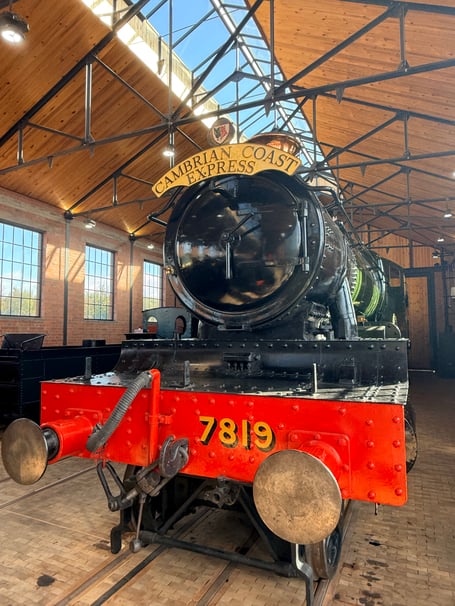
The workshop was renovated around 2014, while work on the neighbouring engine shed began before the Covid pandemic and was completed afterwards.
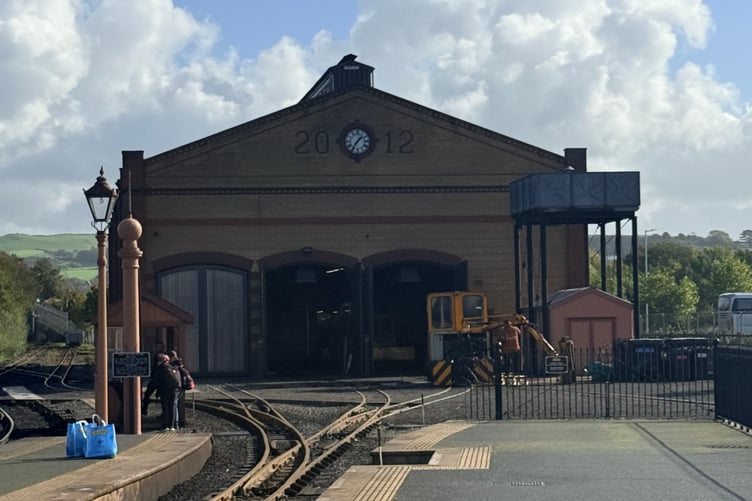
Today the site brings together the railway’s operational, engineering and historical sides, with locomotives and rolling stock sharing space with a museum telling the story of more than a century of railway history.
That history stretches back far beyond its modern identity as a heritage attraction.
The railway was authorised in 1897, with construction beginning in 1901 before it opened in 1902. Its original purpose was closely tied to the local economy, carrying lead ore from mines in the Rheidol Valley as well as timber, much of which was destined for use as pit props in South Wales coal mines.
Tourism gradually became increasingly important as industrial traffic declined, but the modern railway still retains a practical working side which visitors may rarely see.



Unlike many heritage railways, its workforce is predominantly paid rather than volunteer-run. Around 40 people are employed by the railway, with a smaller group of volunteer gardeners at Aberystwyth, Devil’s Bridge and intermediate stations.
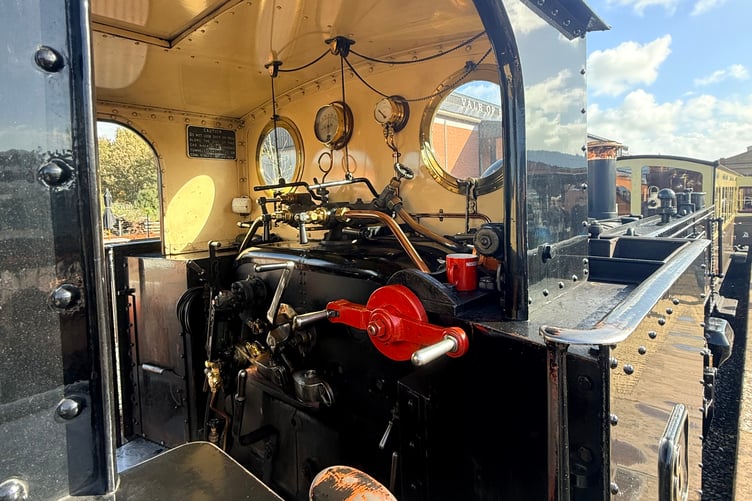
The railway itself is now owned by a charitable trust, which has overseen work to renovate locomotives, carriages and track. Many of the locomotives and carriages still in use were built specifically for the line by the Great Western Railway between 1923 and 1938.
Its museum also contains a wider collection of historic locomotives, carriages, wagons and boilers, including vehicles from “Collection X”, assembled by former chairman Peter Rampton, who Claire credits with helping rescue the railway from decline.
There are also quieter examples of the railway adapting an old technology to modern pressures. Two of its steam locomotives remain coal-fired, while another was converted to oil firing to give the railway greater resilience during periods of hot and dry weather.
The railway also has diesel locomotives, although it’s admitted steam remains the overwhelming favourite with passengers.
Speaking with Claire, she told how she’s taken a more hands-on role herself, qualifying last year as the Vale of Rheidol Railway’s first female guard alongside her main commercial duties.
“For me, getting out on the trains is quite important.
“You go and meet the customers, get the feedback and look at improving things. And also, to sell something, you’ve got to experience it.”
The railway is now approaching the end of its main 2026 running season, but activity will not simply stop when regular Devil’s Bridge services finish. One of the next major projects is a Christmas service running between Aberystwyth and Capel Bangor from 16 to 23 December.
Rather than attempting to recreate the full summer journey, the shorter steam trip will form part of a wider Christmas experience using the engine shed museum. Families will return to Aberystwyth to move through themed areas inside the building, with activities, music, and a Santa’s grotto.
Claire said the railway deliberately intends to keep the decoration of the train relatively minimalistic, with a wreath, lighting and Christmas-themed carriage names, while much of the transformation will take place inside the museum.
The event is also a way of putting buildings which have undergone substantial investment to use beyond the traditional summer season.
The Aberystwyth café, which opened last year, has built up a local customer base which Claire said becomes particularly important when passenger trains are not running.
Devil’s Bridge is also set for further work during 2027. A new toilet block has already opened, while plans include a new café, which could open in spring, alongside further improvements around the station.
Next year will also mark 125 years since the Vale of Rheidol Railway first opened. A series of events is being planned across 2027, culminating in a larger anniversary celebration.
For a railway which has survived two world wars, declining mine traffic, nationalisation, threatened closure and eventual privatisation, the anniversary will mark more than the survival of a tourist attraction.
The steam trains may remain its most visible face, but behind them sits a working engineering business, a sizeable local employer and a continuing effort to find new uses for a railway which has already spent well over a century adapting to change.
Amusingly, at the end of our visit, Claire told of the final ‘must-see’; the loos… Indeed they may be the coolest loos in Aberystwyth!
Comments
We've recently changed our login process. If you have an account for commenting, you will need to re-register on the login window.
This article has no comments yet. Be the first to leave a comment.